


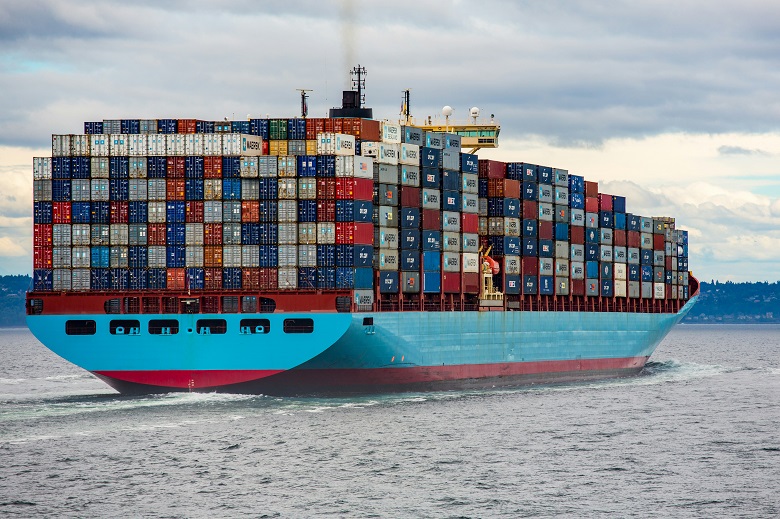



The decision by shipping giants MSC, Maersk, and Hapag-Lloyd to halt passages through the Suez Canal and the Strait of Hormuz due to security risks is reshaping the global supply chain. Rerouting vessels around Africa adds 10–14 days to delivery times and significantly raises shipping costs, affecting product availability and energy markets.
Three of the world’s largest container carriers — Maersk, Hapag-Lloyd, and MSC — have temporarily suspended vessel passages through the Strait of Hormuz and the Suez Canal. Ships are being rerouted around the Cape of Good Hope, adding time and cost to voyages.


Why This Matters
The Strait of Hormuz and the Suez Canal are critical arteries of global trade:
-
Around 20% of global oil flows through Hormuz.
-
The Suez Canal handles roughly 12% of global trade.
Disruptions mean delays, higher costs, and pressure on supply chains.
Market Reactions
Market brokers and analysts estimate:
-
Spot rates for Asia–Europe routes will rise.
-
Rerouted voyages around Africa take 10–15 extra days, increasing fuel consumption and reducing available capacity.
-
Insurance for the region has already imposed war risk premiums, adding further costs.
A market insider told Lloyd’s List, “Suspending passages immediately pressures supply chains, especially for industries operating with low inventories.”
Immediate Impacts
-
Higher freight rates and transport costs
-
Delays in deliveries of raw materials and products
-
Energy price volatility, especially oil and LNG
Every day vessels remain off-route triggers a ripple effect through global logistics.
What to Watch
The duration of the suspension will dictate the impact:
-
1–2 weeks: Manageable delays.
-
1–3 months: Rising rates and port congestion.
-
Long term: Possible rerouting and structural shifts in trade flows.
Shipping remains a backbone of global trade. Any disruption in key sea lanes quickly affects industry, energy, and consumers worldwide.