


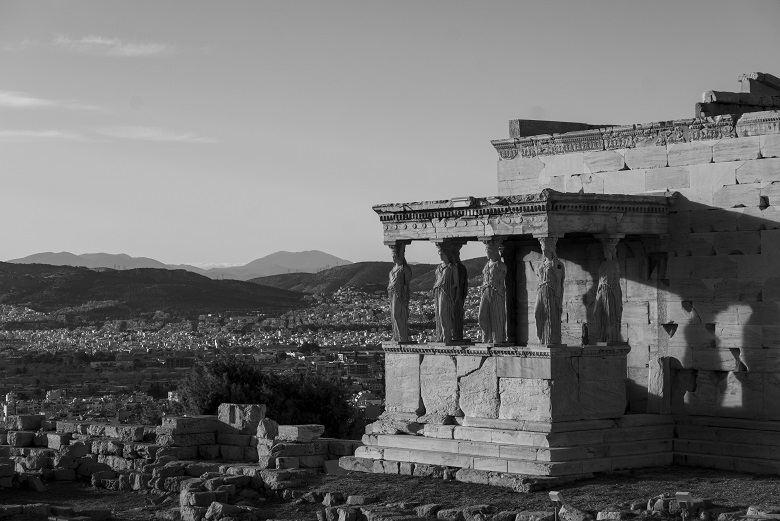



Marbles and statues are not merely works of art; they are carriers of history and memory. From ancient Greek sculptures to the great European monuments, including those that adorn Rome, marble preserves its continuity through time, conveying messages and values across generations. It has the unique ability to connect people, cultures, and eras, serving as a symbol of unity, resilience, and timeless universal heritage.
The Durability of Marble


Just as generations continue the story of history, marbles endure through the centuries. Their stone surfaces and reliefs bear witness to human achievements, beliefs, and artistry, while their polish offers a sense of purity and stability that transcends time.
Statues as Symbols of Unity and Human Heritage
Beyond religious monuments, many statues and arches express values such as peace, unity, and solidarity. Marble works across European and Mediterranean cities remind us that shared human heritage unites cultures and eras, serving as timeless symbols of universal significance.
Timelessness as a Link Between Past and Present
Every marble surface tells a story, connecting the past with the present. As the years change, this timelessness becomes particularly evident: monuments remind us that the values that unite us remain alive, regardless of the era.
Conclusion
Marble monuments and statues are not just works of art; they are living pieces of history that connect us with the past and guide us into the future. Their durability, unity, and universal significance remind us that human values transcend time — a reminder that becomes especially meaningful as one year ends and another begins.