




As the international industry prepares to gather in Vigo for StoneGal 2026, this article explores the complex value chain of natural stone—from its raw extraction to its final architectural application.
Natural stone is one of the oldest and most enduring materials used by mankind. However, behind every single slab, there is a complex process that seamlessly combines tradition, advanced technology, and absolute precision.


From its extraction in the quarry to its final installation in architectural projects, stone follows a meticulous path involving multiple phases, specialized professionals, and key decisions.
1. The Origin: Extraction at the Quarry
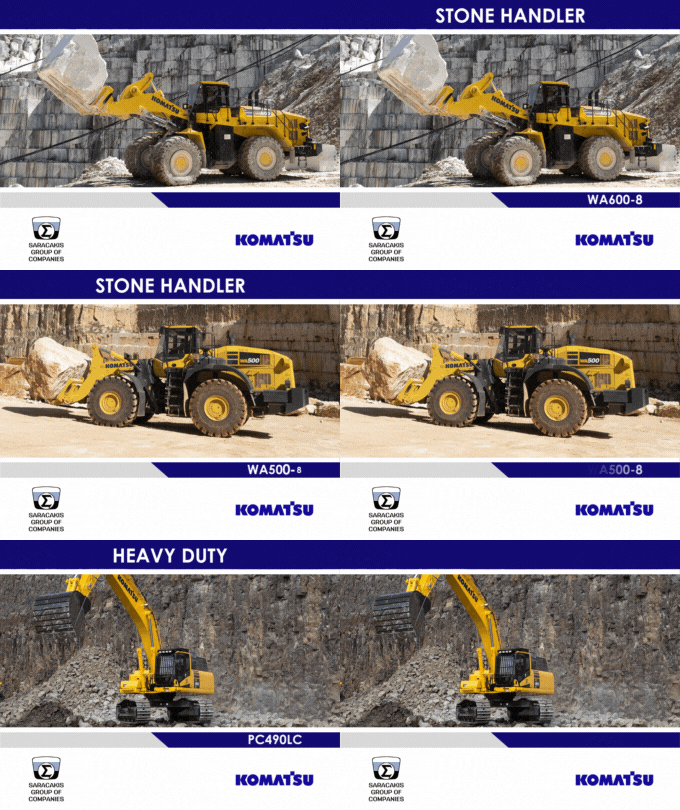
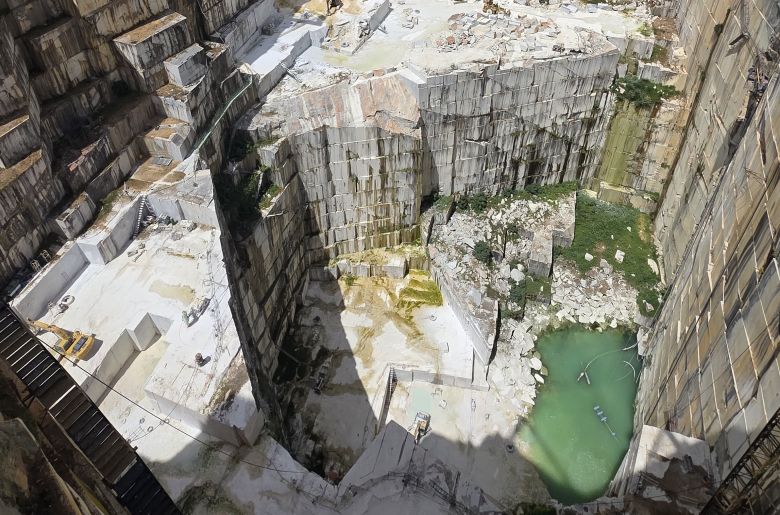
It all starts deep within the quarry. This is where the raw material is carefully selected based on its unique characteristics: color, grain, strength, and overall quality. Today, extraction is carried out using advanced techniques that optimize resources while strictly minimizing environmental impact. Because each block is entirely unique, this initial selection is fundamental to the final architectural result.
2. Selection and Classification
After quarrying, the stone is classified according to its physical and aesthetic properties. In this crucial phase, its ultimate destination is decided—determining the type of project, finish, format, and final use. Deep experience and expert knowledge of the material are key at this stage to ensure its correct and safe application later on.
3. Transformation and Processing
The next step is transformation. Using specialized, state-of-the-art machinery, the massive blocks are cut, polished, and worked to suit the exact needs of each project. Today’s technology allows for ever-higher levels of precision, bespoke finishes, and custom layouts, allowing the rugged material to truly take shape.
4. Design and Implementation
Once processed, natural stone is seamlessly integrated into architecture, interior design, and urban planning. From grand facades to minimalist interior spaces, and from custom furniture to decorative elements, its versatility allows for endless applications. At this stage, architects and designers play a key role, selecting the perfect material based on both aesthetic and technical criteria.
5. Installation and Lifetime Durability
Once installed, natural stone demonstrates its greatest advantage: its timeless durability. It is a hard-wearing, low-maintenance material that remains in perfect condition for decades. Its long life cycle makes it one of the most efficient, sustainable, and eco-friendly options available in modern construction.
A Global Ecosystem Connecting Industry and Design
The natural stone route is far more than just an industrial process. It is a complex value chain involving quarries, processing companies, distributors, technicians, and specifiers. It is a global ecosystem that thrives on shared knowledge, constant innovation, and deep experience.
StoneGal 2026: Where the Journey Comes Together
To truly understand the path of natural stone is to understand the complexity and value of an entire industry. And StoneGal is the exact place where this fascinating process becomes visible.
From 17 to 19 June 2026, StoneGal will bring together companies from the entire natural stone value chain in Vigo, Spain. From extraction to processing, and through technology, design, and international marketing, this premier event connects all points along the journey in a single, dynamic space.
Don’t miss the opportunity to connect with the future of the industry. We look forward to seeing you in Vigo!