




At a pivotal time for the Greek marble industry, a new entity has emerged with clear focus and vision: to unite, empower, and meaningfully represent the companies involved in the extraction and processing of Greek marble. The Greek Marble Association was not founded to compete, but to complement existing structures—bringing a distinctly business-oriented perspective and a national strategic approach to the table.
With founding members that include leading companies with long-standing experience in the sector and active involvement in the extraction and export of iconic Greek marbles, the Association aspires to make “Greek Marble” a global benchmark for quality, innovation, and sustainability. Among its immediate priorities are strengthening extroversion, reactivating dialogue among entrepreneurs, participating in international promotion initiatives, and shaping a unified commercial policy framework for the industry.


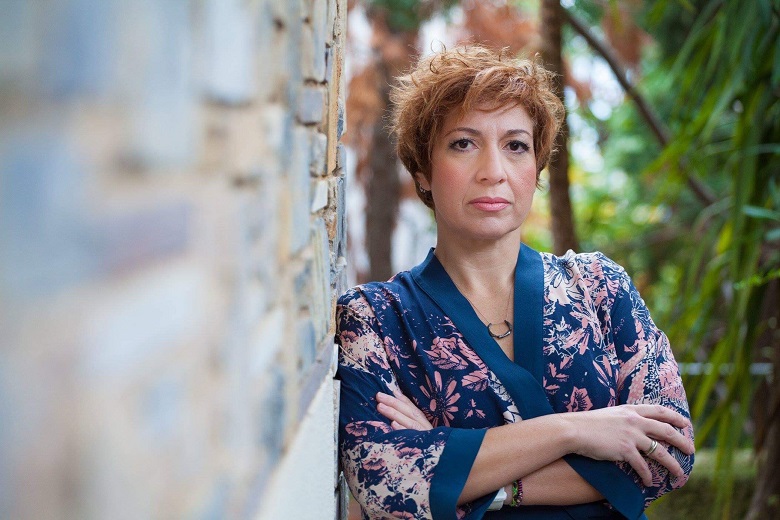
As the Association’s General Director, Ms. Lazis, pointedly notes: “It’s time we started talking to each other again—rebuilding connections, investing in knowledge, and promoting Greek marble with the seriousness and care it deserves.”
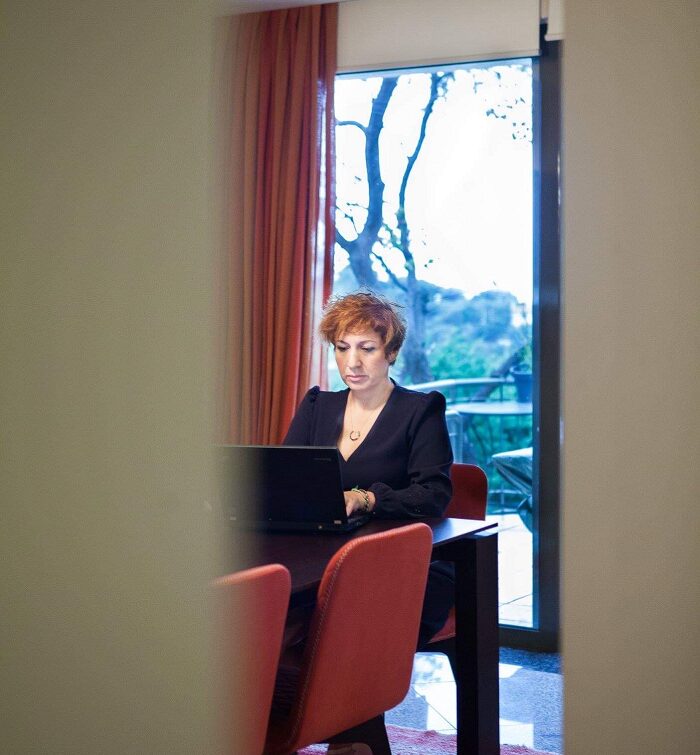 In this exclusive interview, Ms. Lazis shares the philosophy and objectives of the newly established Association, addresses today’s critical challenges, and presents a bold vision for the future of Greek marble.
Ms. Lazis, what was the main need that led to the founding of the Greek Marble Association?
The primary need was to create a dynamic voice that effectively represents the entire Greek marble sector—composed exclusively of entrepreneurs active primarily in the extraction of Greek marble, and secondarily in its processing. Our aim is to strengthen institutional presence both in Greece and abroad, in order to more effectively and strategically highlight the industry’s needs, capabilities, and comparative advantages.
How would you define the Association’s vision, and what are your immediate priorities?
Our vision is to establish Greek marble as a global model of quality, innovation, and sustainable development—supporting businesses in becoming more competitive and outward-looking. Immediate priorities include strengthening inter-business networking, promoting innovation and sustainability, enhancing the international visibility of Greek marble, and advocating for supportive policy and regulatory frameworks.To put it simply, we want marble entrepreneurs to start talking to each other again.
What is your philosophy regarding the relationship between the Greek Marble Association and the Association of Marble Enterprises of Macedonia-Thrace?
Our philosophy is rooted in cooperation and complementarity. We fully recognize SEMMTH’s important contribution to regional representation, but we also believe that a national-level body like the Greek Marble Association is necessary—one that can represent the entire sector with a clearer and more business-driven approach. We are not here to compete, but to collaborate in a way that better serves business interests and unites efforts for the common good.
What does the “Greek Marble” brand mean to you, and how can it be further strengthened internationally?
“Greek Marble” is a symbol of quality, natural beauty, and historical legacy. It is a powerful brand that can expand its value through modern promotion strategies, strict certification standards, and coordinated marketing efforts. We believe that increasing extroversion, participating in international exhibitions, and leveraging digital promotion can further elevate the uniqueness and excellence of Greek marble on the global stage.
This requires the development of a fully costed strategic promotion plan to be submitted to the relevant authorities—whose commitment is essential if Greek marble is to be supported as a pillar of national industrial policy.
What are the main challenges facing the Greek marble industry today, and how does the Association plan to address them?
The sector is facing a series of challenges that affect its growth and international competitiveness. These include excessive bureaucracy, the need to modernize production with an emphasis on sustainability and innovation, upskilling of both technical and managerial staff, and the lack of consistent state support. Equally pressing is the issue of access to marble deposits, which is often hindered by a complex and restrictive regulatory framework.
There is also a clear need for coordination in commercial policy—one that both strengthens our export strategy and promotes penetration into high value-added markets.
As an Association, our goal is to act as an institutional interlocutor with the State in promoting favorable and stable regulatory frameworks, to enhance workforce training, to encourage collaboration with research institutions, and to help develop a common commercial strategy that presents Greek marble in a unified and competitive way internationally. Marble extraction predates the modern Greek state—it is our duty to preserve it and not let it fade in the decades to come.
How important is participation in international exhibitions, and how can Greek marble’s presence be improved globally?
Participation in international exhibitions is critical for networking, attracting new clients, and forging strategic partnerships. To improve visibility, we need a unified and well-organized presence, a targeted promotional strategy, and digital campaigns—including the use of AI where appropriate—that showcase the quality and uniqueness of Greek marble.
We will become truly effective in promoting our marble only when we dare to chart not just the well-trodden path, but also innovative routes. A strong example of this was the participation of Greek marble companies in the recent Milan Design Week. In an unconventional setting for our sector, seven companies placed Greek marble and art at the heart of a week-long conversation—where heritage, tradition, and innovation came together to inspire and elevate our industry.
What are the Association’s next steps at a national and international level?
Our next steps include establishing partnerships with other industry bodies and associations, research institutions, and universities both in Greece and abroad. The goal is to co-develop innovative programs, exchange know-how, and form a common front to elevate Greek marble on the global stage.
How can a company become a member of the Greek Marble Association?
Any company operating in the primary marble sector and sharing our values and vision is welcome to join. Membership involves a registration application and signing our charter, ensuring a strong and trustworthy community of members. All these initiatives—our goals, achievements to date, and future plans—will be presented in detail at a kick-off meeting planned for this autumn.
In closing, what message would you like to send to industry professionals and the wider market?
Our message is clear: Unity, education, innovation, and extroversion are the keys to the future of Greek marble. Our industry has tremendous potential—it’s time we harness it to the fullest.