




The United States residential construction sector navigated a period of recalibration during the first half of 2026, marked by internal contrasts yet offering distinct opportunities for global suppliers of building materials. As the world’s leading consumer of imported natural stone, marble, and granite, the US market is sending mixed signals that demand careful evaluation by international exporters.
A Snapshot of US Residential Construction
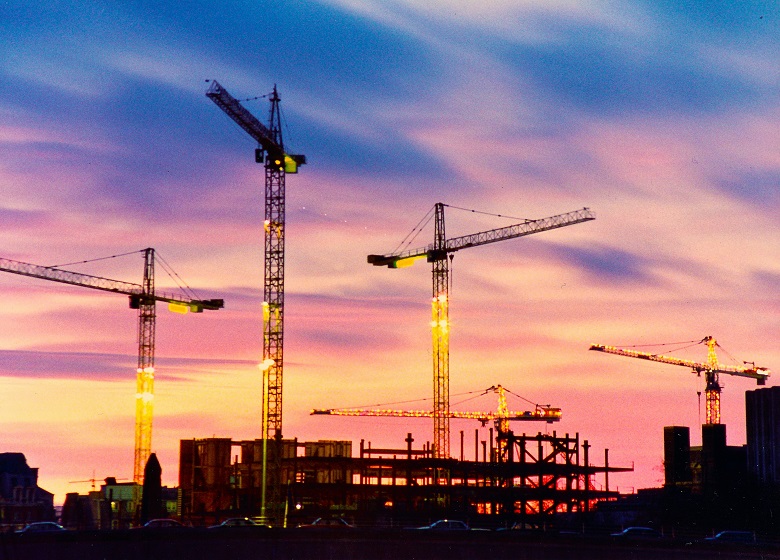
Overall figures for the first six months of the year point to a mild slowdown in building permits and completions, balanced by notable resilience in new housing starts. This moderation reflects broader macroeconomic conditions across the US, where elevated interest rates and construction costs continue to weigh on project budgets.


However, the key storyline for stone suppliers lies in the structural shift in construction types. While single-family home building has seen a decline, the multi-family sector—encompassing apartment complexes and large-scale residential developments—has experienced a significant surge in new project starts.
Structural Shift: From Single-Family Homes to Large-Scale Projects
For natural stone distributors, this transition alters the dynamics of demand:
-
Growth in Multi-Family Developments: The strong uptick in multi-family housing starts is driving robust demand for volume supply. These large-scale projects require extensive quantities of natural stone for lobby flooring, exterior cladding, and uniform kitchen and bathroom countertops, favoring suppliers equipped for high-volume commercial contracts.
-
Pressure on Single-Family Units: Lower permit and completion rates for single-family homes temporarily dampen immediate demand for premium, high-end slabs destined for luxury custom residences, prompting local US distributors to manage inventory with greater caution.
Regional Divergence: Where Demand Is Concentrated
Market activity varies significantly across geographic regions:
-
Northeast: Outperformed other regions, recording strong growth in both new permits and completed projects, underscoring solid demand in high-density urban corridors.
-
Midwest: Maintained a stable footprint with modest gains.
-
South and West: Experienced cooling trends in completions and single-family permits following extended periods of rapid expansion.
Outlook for H2 2026
Despite short-term fluctuations, the total volume of units currently under construction remains at robust levels, ensuring a steady pipeline of demand for natural stone and surface materials in the months ahead.
For marble and stone exporters, navigating the US market in 2026 calls for strategic pivot: focusing less on traditional single-family retail channels and more on direct partnerships with architectural firms and commercial developers steering multi-family developments.