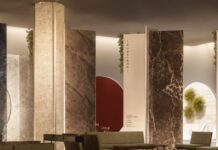






Parian marble, known since antiquity as lychnites, is celebrated as one of the most refined and luminous marbles in the Mediterranean. Its near-translucent texture, pure white clarity, and fine-grained structure established it as a premier material for sculpture and architecture in Classical antiquity—and it continues to be highly sought after in contemporary aesthetics.
Natural Qualities That Make Parian Marble Unique
Quarried mainly in the Marmaras and Lakkoi areas of Paros, ancient artisans extracted marble through underground galleries using oil lamps—hence the name lychnites (“lamp-lit”). This marble is characterized by:


-
Exceptional translucency under light
-
Ultra-fine grain enabling intricate sculptural detail
-
Uniform texture and color, ideal for luxury construction and art
These qualities made Parian marble a benchmark of ancient Greek sculpture, and it remains valued today for restoration of historical monuments and in contemporary art installations.
From Venus de Milo to Winged Victory: Marble That Shaped History
Since the 7th century BCE, Paros became a thriving center of marble craftsmanship. Parian marble was used for some of the most iconic ancient sculptures, such as:
-
Venus de Milo (Louvre Museum)
-
Winged Victory of Samothrace (Louvre Museum)
-
Numerous Cycladic Kouroi and Korai
-
Countless funerary reliefs, temples, and civic structures
Regarded as equal—or in some cases superior—to Pentelic and Naxian marble, Parian marble was especially prized by sculptors for its ability to capture and diffuse light, giving life and volume to their creations.
Modern Use and Cultural Heritage
Today, Parian marble is still used—though on a reduced scale—with respect for the island’s cultural and natural heritage:
-
In restoration projects of iconic monuments (e.g., Acropolis, Delphi)
-
By renowned artists and sculptors worldwide
-
In high-end architectural and decorative applications
More than a construction material, Parian marble is now considered a national heritage resource, with old quarries preserved as archaeological sites accessible to scholars and visitors.
A Material Symbol of Eternal Greek Art
Parian marble is not just a stone—it carries the essence of history, sculptural excellence, and artistic identity of Greek civilization. From ancient subterranean quarries to modern galleries and world museums, it continues to reflect Greek light, form, and the pursuit of perfection.