





India’s marble exports to international markets reached €86.73 million in the first half of 2026, with total shipments amounting to 208,130 tonnes. The figures highlight the dominant role of finished marble products in the country’s export structure, both in terms of value and their contribution to the overall export profile.
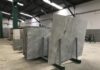
Finished Marble Products accounted for exports worth €67.58 million, representing a total volume of 78,285 tonnes. The average declared value stood at €863.29 per tonne, highlighting the significantly higher unit value of processed products compared with raw materials.


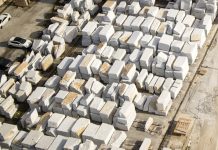
By comparison, exports of Marble Blocks & Slabs amounted to €19.15 million, corresponding to 129,845 tonnes. Their average value stood at €147.47 per tonne, reflecting the different commercial characteristics of this product category.
The comparison between the two categories reveals a clear distinction in the composition of India’s marble exports. Although blocks and slabs account for a larger share of the total exported volume, finished products generate approximately 78% of overall export value. At the same time, they represent around 38% of total export volume, highlighting the importance of processing and added value in India’s export activity.
In terms of changes, exports of Marble Blocks & Slabs recorded increases of 31.38% in value and 30.05% in volume compared with the corresponding reference period. Their average value per tonne also registered a marginal increase of 1.02%.
The picture was considerably more subdued for Finished Marble Products. Export value increased by just 0.98%, while exported volume rose by 7.03%. This development was accompanied by a 5.66% decline in average value per tonne, suggesting that the increase in export volumes was not matched by a corresponding improvement in unit value.
The divergence between volume and value
The figures for the first half of 2026 point to two distinct trends in India’s export activity. On the one hand, marble blocks and slabs recorded stronger growth in both value and volume. On the other, finished products continued to represent the main pillar of Indian marble exports in economic terms.
The decline in the average value of finished products, despite the increase in exported volumes, is particularly noteworthy. This is a development worth monitoring over the coming quarters, as maintaining export value while volumes increase could have implications for the overall competitiveness of Indian products in international markets.
Overall, the figures confirm India’s significant position in international marble trade, with processing continuing to play a decisive role in shaping the value of its exports.