

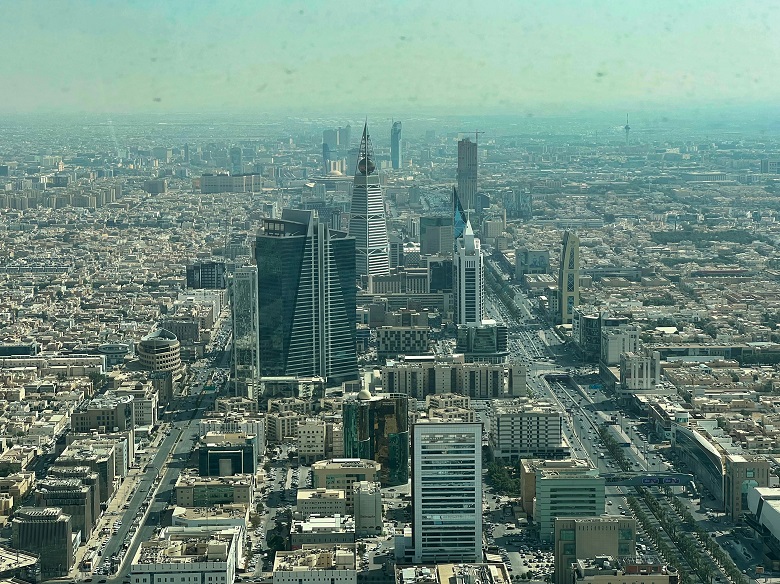



Saudi Arabia has taken a decisive step in transforming its real estate sector, with the approval of a new property ownership law in July 2025, reflecting the Kingdom’s broader economic diversification strategy under Vision 2030. According to Economy Middle East, this landmark reform significantly expands the rights of foreign individuals and entities to own property in the Kingdom, making Saudi Arabia one of the most attractive real estate investment markets in the region.
From Restrictions to a Structured Investment Framework
Historically, foreign ownership of real estate in Saudi Arabia has been limited to carefully defined circumstances. Premium Residency holders, licensed foreign developers, and GCC nationals enjoyed certain rights, while others could only participate indirectly through real estate funds or listed companies. These restrictions were designed to protect national interests while still attracting capital.


The new property ownership law, effective January 2026, marks a profound shift. It introduces a structured, regulated framework that broadens foreign participation, giving global investors unprecedented access to Saudi Arabia’s fast-growing real estate sector.
Key Features of the 2025 Law
Geographic Scope and Zones
-
Designated Investment Hubs: Foreigners can now own real estate outright in specific zones, with Riyadh and Jeddah among the first approved hubs.
-
Mecca and Medina: Ownership rights in the holy cities remain under strict regulatory oversight due to religious sensitivities.
-
Regulatory Oversight: The Real Estate General Authority (REGA) will define eligible zones and publish executive regulations within 180 days of the law’s release.
Expanded Ownership Rights
-
Foreign individuals and legal entities may own property outright in designated areas.
-
Ownership rights complement existing frameworks like Premium Residency and GCC rules.
-
Foreign companies can acquire property for commercial operations, offices, and employee housing.
-
Developers must meet minimum investment thresholds (SAR 30 million) and complete projects within five years.
Regulatory Safeguards
-
REGA will set compliance, eligibility, and enforcement mechanisms via public consultation.
-
The law ensures alignment with broader investment frameworks, safeguarding both investors and Saudi citizens.
Strategic Objectives
The reform directly supports Saudi Arabia’s Vision 2030 agenda by:
-
Attracting Foreign Direct Investment (FDI) into real estate and development.
-
Expanding housing supply to meet growing domestic demand.
-
Diversifying the economy away from oil dependency.
-
Balancing market dynamics, ensuring affordability while stimulating growth.
Market Implications: Opportunities and Challenges
For international investors, the reform opens the door to a previously restricted trillion-dollar market, enabling participation in giga projects such as NEOM, Qiddiya, and the Red Sea Project.
Harmen de Jong, Regional Partner at Knight Frank KSA, told Economy Middle East:
“The acceleration of house prices in the Kingdom over the last 5 years has been exceptional, with apartments in Riyadh up nearly 82 percent since 2019. The decision to allow international buyers access to real estate markets in specific investment zones will likely create a two-tiered market – one for international buyers and one for domestic buyers. Prices within giga projects are expected to accelerate faster than the broader market.”
This suggests that while international capital will boost liquidity and development, it may also create differentiated pricing structures between giga projects and mainstream housing.
Integration with Broader Investment Reforms
The property ownership law complements Saudi Arabia’s Updated Investment Law (February 2025), which unified investment frameworks for Saudi and foreign investors, streamlined licensing, and strengthened investor protections. Together, these reforms signal a new era of openness, positioning Saudi Arabia as one of the most competitive investment destinations in the Middle East.
Conclusion
Saudi Arabia’s 2025 property ownership law represents more than a regulatory update—it is a strategic pivot toward integrating the Kingdom into the global investment landscape. By balancing openness with structured regulation, the law provides clarity, security, and opportunities for international investors while supporting domestic housing needs and Vision 2030’s diversification goals.
The upcoming executive regulations from REGA will provide crucial details, but the trajectory is unmistakable: Saudi Arabia is unlocking its real estate market for global capital, and the world’s investors are taking notice.
Source: Economy Middle East