





The Brazilian Natural Stone Association highlighted the potential impacts of the proposed measures on U.S. businesses, jobs, and construction costs, while reinforcing the strategic role of Brazilian natural stone for the American industry.
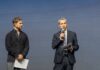
The Brazilian Natural Stone Association (Centrorochas) participated on Tuesday (July 7) in the public hearing held in Washington, D.C., by the Office of the United States Trade Representative (USTR) as part of the Section 301 investigation under U.S. trade law. Represented by its Vice President, Fábio Cruz, the association presented arguments supporting the exclusion of Brazilian natural stone products from the proposed tariff measures.


During the hearing, Centrorochas demonstrated that Brazilian natural stone plays a strategic role in the U.S. supply chain, serving as an essential input for American companies engaged in fabrication, distribution, and installation activities. The association also emphasized the lack of equivalent substitutes for many Brazilian materials and highlighted the potential impacts of the proposed tariffs on U.S. businesses, jobs, investments, supply chains, and construction and housing costs.
The submission also highlighted that approximately 99.9% of Brazilian natural stone exports to the United States consist of semi-finished stone slabs, primarily used in the fabrication of kitchen and bathroom countertops, wall and floor cladding, and other high-end residential and commercial applications. In 2025, Brazil exported US$795 million in natural stone to the U.S. market, totaling approximately 587,000 metric tons.
The submission further emphasized that these products do not compete directly with domestic U.S. production. Instead, they are part of a well-established supply chain that has been built over decades, supporting investments made by American importers, distributors, fabricators, builders, and other businesses that rely on the regular supply of these materials.
U.S. industry stakeholders echo Centrorochas’ position before the USTR
The position presented by Centrorochas was reinforced during the hearing by key representatives of the U.S. natural stone industry. Among them was the Natural Stone Institute (NSI), the leading trade association for the natural stone industry in the United States. Its Executive Director, Jim Hieb, also addressed the public hearing, emphasizing the importance of Brazilian natural stone to the U.S. economy and the need to preserve a stable and competitive supply chain.
The Brazilian association’s submission was also supported by American importers and distributors, including Pacific Shore Stones, a distributor with 17 locations across six U.S. states. In their submissions to the USTR, these companies emphasized that many Brazilian materials have no equivalent substitutes in terms of availability, variety, technical characteristics, or market acceptance. They also warned that the proposed tariffs could increase costs, discourage investment, and disrupt the stability of U.S. supply chains.
According to Fábio Cruz, the participation in the hearing reflects a long-term strategy developed by the association to strengthen its institutional relationship with the United States. “More than defending the interests of our industry at a specific moment, our presence demonstrates our commitment to building a long-term partnership with the American market. Brazilian natural stone does not threaten domestic U.S. production. On the contrary, it complements a supply chain that generates jobs, investment, and economic activity across numerous states. Excluding our sector from the proposed measures is aligned with the economic interests of the U.S. industry and will help preserve the competitiveness of businesses that depend on these materials while avoiding unnecessary costs for American consumers,” Cruz said during his testimony.