


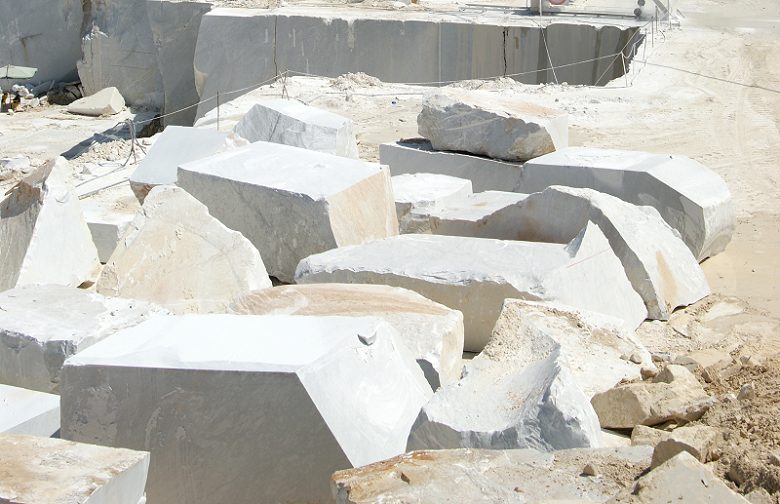



The legal and regulatory framework governing the Carrara marble quarries is at the center of a major judicial development that could redefine the future of mining governance in the region. Twenty-eight quarrying companies have jointly filed a legal action against the municipality, seeking judicial recognition of “perpetual emphyteusis” (perpetual lease) status over excavation rights.
The businesses base their claim on historically established property rights. According to the industry’s position, confirming this status would guarantee the institutional stability required for long-term business planning, thereby protecting investments from potential future unilateral regulatory changes or permit revocations by the public sector.


The municipality’s perspective and public management
On the other hand, the Municipality of Carrara opposes the companies’ petition, arguing that recognizing unlimited rights would severely restrict the local administration’s regulatory, supervisory, and revocation powers over natural resources. The city council unanimously approved defending the municipality against the lawsuit. The public administration’s stance emphasizes maintaining public oversight over quarry management and securing excavation fees, which fund local community services.
Due to the high complexity and economic significance of the case, the municipality’s legal department recommended outsourcing the defense to a specialized external law firm, for which a dedicated budget of €99,500 has been allocated.
The shift in jurisdiction
A key turning point in the case is the recent ruling by the Supreme Court of Cassation, which redefined the jurisdiction of this legal dispute. The high court ruled that the case no longer falls under local civil courts but has been transferred to the Regional Administrative Court (TAR).
This shift moves the focus to the legitimacy of administrative acts and the balance between historical exploitation rights and public regulatory authority. The upcoming TAR review is highly anticipated by international marble market analysts, as the final verdict could establish a precedent for the entire sector’s concessions.