




The UK’s Health and Safety Executive (HSE) has announced new stricter measures for the processing of engineered stone, mainly used for kitchen and bathroom countertops, following growing concerns over cases of silicosis among workers in the sector.
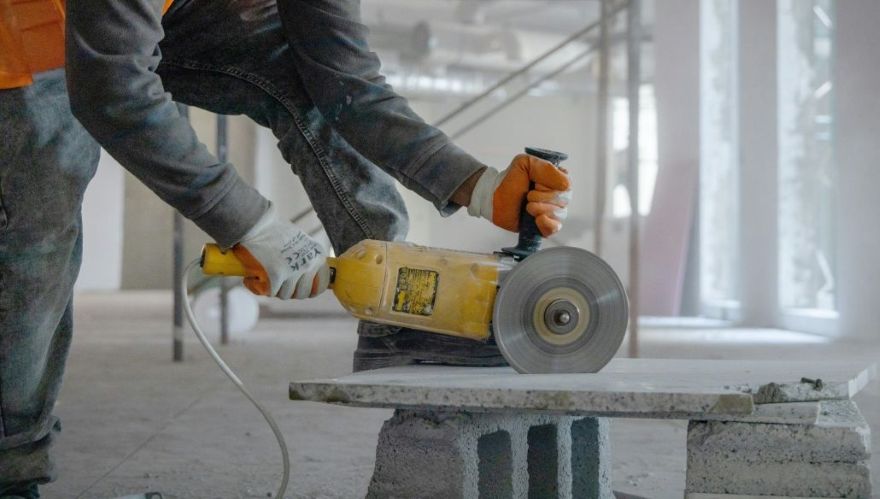
According to the new guidance, “dry cutting” of engineered stone is now considered “unacceptable,” while the use of water suppression techniques to control dust exposure is becoming effectively mandatory. At the same time, the HSE is launching a programme of more than 1,000 inspections at fabrication workshops across Great Britain over the next 12 months.


The decision follows the deaths of young workers from silicosis, an incurable lung disease caused by the inhalation of crystalline silica dust. The disease was traditionally associated with heavy industry; however, in recent years there has been a rise in cases among workers processing quartz surfaces for domestic kitchens.
The HSE states that processing without water may expose workers to levels of respirable crystalline silica five to ten times higher compared with wet cutting methods. It also notes that lower-silica products are already available on the market without significant differences in quality or appearance.
According to a Sky News report, more than 50 confirmed cases of silicosis and at least four deaths linked to engineered stone processing have been recorded in the United Kingdom. Doctors and labour organisations argue that the disease can develop much faster than traditional occupational illnesses of the past, sometimes after only a few years of exposure.
The HSE’s new intervention is regarded by many as a significant tightening of safety regulations, although it stops short of a complete ban on engineered stone, as has happened in Australia. Part of the scientific community and families of victims are calling for even stricter measures, arguing that the risks remain high even under strict safety protocols.
For its part, the HSE maintains that the solution lies in the strict implementation of preventive measures, the use of appropriate personal protective equipment, and systematic medical monitoring of workers. The new guidelines also include mandatory respiratory protection and regular health checks for employees working with high-silica-content materials.