




The diversity of its stone deposits, investment in processing equipment and efforts to expand export destinations are shaping the prospects of Afghanistan’s natural stone industry, as local businesses seek greater access to international markets.
From Local Quarries to International Markets
Afghanistan is seeking to make greater use of its mineral resources, with natural stone among the sectors looking for growth opportunities through international trade.


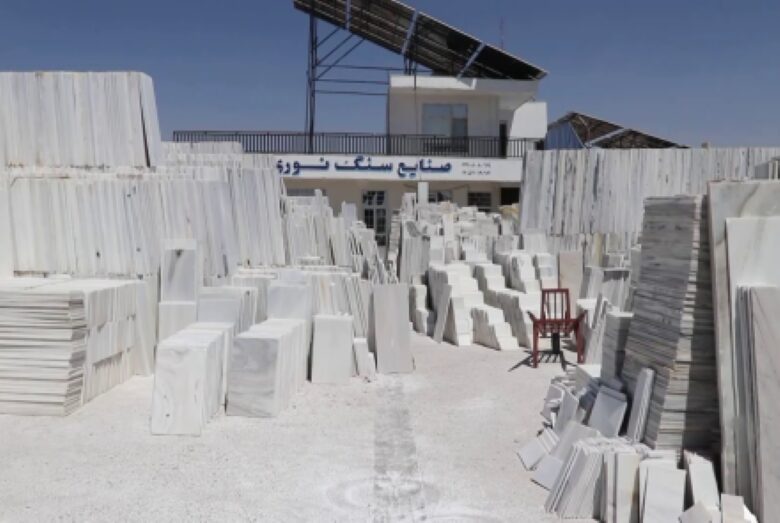
According to local industry representatives, stone exports from Herat province are reaching markets including the United States, Australia, China, Turkmenistan, Iran, as well as countries in Europe and the Arab world. A recent shipment of 50 tonnes of black stone to the United States, reportedly valued at $100,000, illustrates this export activity.
The shipment alone does not establish a broader shift in the global market. It does, however, highlight the efforts of Afghan businesses to reach new trading partners and turn their country’s stone resources into products with international commercial potential.
Processing and Quality as Competitive Factors
Access to overseas markets depends on more than the availability of raw materials. Processing quality, consistency in specifications and the ability to meet buyers’ requirements are essential to developing a sustainable export business.
Industry representatives in Herat attribute part of the sector’s improved competitiveness to the introduction of modern machinery and more standardised processing methods. This reflects a wider challenge for emerging producing markets: moving beyond the extraction of natural resources towards the manufacture of commercially competitive natural stone products.
Prospects and Challenges
The geographical reach of exports and interest from buyers in different countries offer opportunities for Afghanistan’s stone industry. However, establishing a stronger international presence over the long term will depend on maintaining consistent quality, building reliable commercial partnerships and fulfilling orders to the required standards.
The development of natural stone exports also requires efficient transport and logistics infrastructure, alongside stable access to target markets. An increase in individual shipments, therefore, does not in itself demonstrate that a strong and sustainable export base has been established.
For the international natural stone industry, Afghanistan is a market worth monitoring. The key question is not simply whether the country possesses valuable stone deposits, but whether it can develop the production and commercial capabilities needed to strengthen its position in international competition.