




Proposed reforms focus on extraction technology, processing standards and higher value-added natural stone products
Pakistan is seeking to modernise its marble and natural stone industry through a programme focused on extraction technology, processing capabilities and export development. The initiative, linked to the proposed National Marble and Natural Stone Policy 2026–2030, aims to address longstanding production challenges and strengthen the international competitiveness of the country’s stone sector.


The latest discussions took place in Islamabad on October 15, under the chairmanship of Haroon Akhtar Khan, Adviser to the Prime Minister for Industries and Production. According to The Express Tribune, the meeting examined the industry’s main constraints and established four technical groups to develop recommendations on marble finishing, technology upgrades, value addition and export promotion.
Modernising quarrying and processing
Outdated extraction methods remain a challenge for parts of Pakistan’s marble industry. Conventional blasting techniques can damage blocks during quarrying, reducing the amount of usable material available for processing and limiting the commercial value of the extracted stone.
The proposed shift towards modern quarrying and processing technologies is intended to improve material recovery, increase productivity and make more efficient use of available resources. Upgrading finishing capabilities is another priority, particularly as international buyers require consistent quality and specifications across their natural stone purchases.
For producers, the objective is not simply to increase extraction volumes, but to improve the proportion of material that reaches the market in a commercially competitive form.
Moving towards higher value-added products
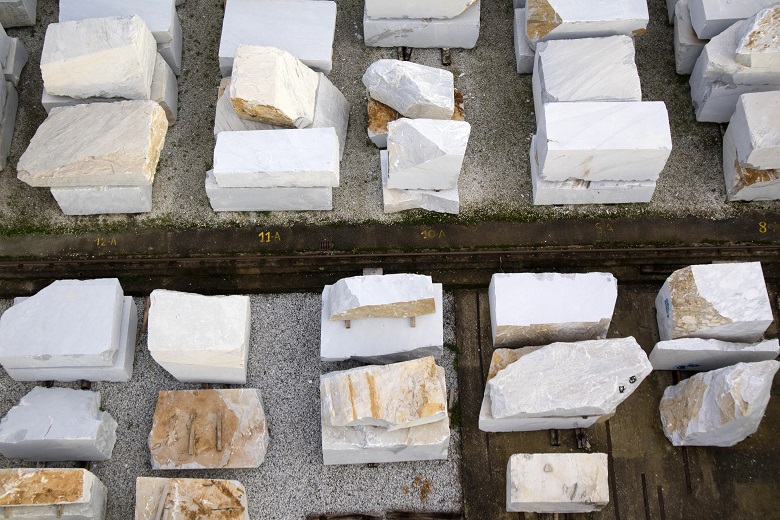
The policy initiative also highlights the need to reduce reliance on the sale of raw or minimally processed marble. Investment in modern machinery, improved finishing standards and the development of more sophisticated products could enable Pakistani companies to capture a greater share of the value generated along the supply chain.
Export development is another area under consideration. Industry representatives have highlighted logistical constraints and the need for stronger access to international markets, including through dedicated exhibitions and initiatives that connect domestic producers with overseas buyers.
Marble handicrafts and products involving specialised workmanship have also been identified as potential areas for expanding the industry’s offering beyond conventional slabs and tiles.
Implementation remains the key challenge
The four technical groups are expected to formulate recommendations addressing the sector’s operational and commercial difficulties. The government has indicated that cooperation with private-sector stakeholders will be central to developing a roadmap for modernisation.
However, the announcement marks the beginning of a policy process rather than the completion of structural reforms. Its effectiveness will depend on whether the proposals translate into investment, access to modern equipment, improved quarrying practices and stronger export channels.
For Pakistan, which has substantial marble resources, the challenge is to convert that resource base into a more competitive processing industry. Progress will ultimately depend on the ability of producers to improve recovery rates, raise product quality and respond to the technical and commercial requirements of international markets.