




The new 15% tariffs imposed by the United States may not drastically reduce the export volumes of leading companies in the provinces of Lucca, Massa-Carrara, and Pisa, but they strike at the strategic core of these businesses: their ability to generate profits and reinvest in growth. This is the key conclusion of a recent study conducted by the North-West Tuscany Chamber of Commerce and the Institute for Studies and Research, which analyzed the structure of over 2,700 exporting companies across these provinces.
Based on an econometric analysis of 2023 ISTAT microdata, the research challenges a common misconception: companies exporting to the US do not automatically become more productive simply by entering the American market. On the contrary, only firms that already possess advanced business models and solid profitability manage to establish a foothold overseas. The real secret behind the “export champions” of Lucca, Massa-Carrara, and Pisa is not merely efficiency, but their ability to secure higher profit margins.


For the marble sector in particular, which relies heavily on quality and premium pricing, the tariffs act as a direct tax on profitability. This erosion of margins threatens the very business model of the district, reducing resources available for innovation, investment, and local employment. In other words, the risk is not simply selling slightly less abroad—it is becoming strategically weaker.
The study also highlights province-specific vulnerabilities. In Lucca, the exposure is twofold: certain sectors like olive oil and footwear are heavily dependent on the US market, while major “champions” driving the local economy—particularly the yachting and precision machinery industries—face threats to their profitability.
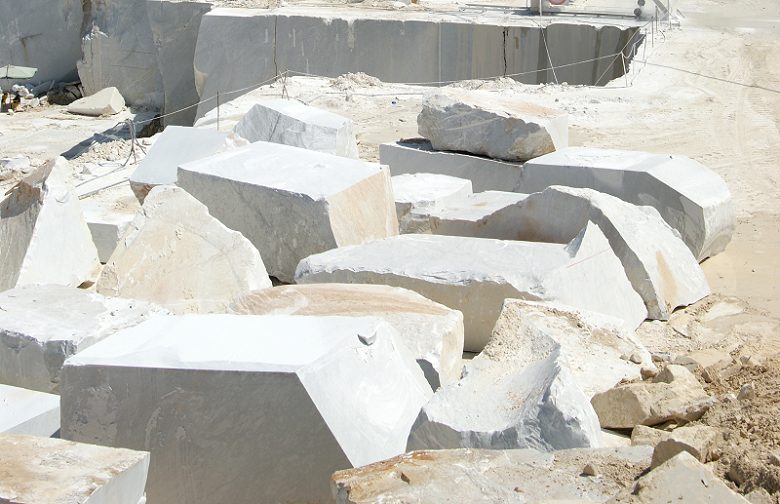
The situation is particularly critical in Massa-Carrara, where the marble district structurally depends on the American market, which absorbs a significant share of its production. For marble companies, whose competitive edge lies in quality and superior margins, tariffs on profits are not just a temporary shock—they are a direct threat to the sustainability of their business model, with potential repercussions for the entire supply chain.
In Pisa, the picture is more nuanced but similarly worrisome, with medium-sized exporters at risk of seeing their strategic strength diminished despite stable export volumes. Across the North-West Tuscany region, the message is clear: tariffs do not just influence sales—they challenge the profitability and long-term viability of companies that underpin the local economy.
For the Italian marble industry, this is a critical moment. Maintaining profitability is essential not only for surviving international trade shocks but also for preserving the innovation, craftsmanship, and employment that make Tuscany a global leader in premium stone products.