




Pakistan is signaling a decisive shift in its economic strategy, placing the marble and granite industry at the forefront of the China-Pakistan Economic Corridor (CPEC) Phase II. Federal Minister Ahsan Iqbal, speaking at the China-Pakistan Mineral Cooperation Forum, called for an end to “outdated” extraction methods, inviting Chinese industrial giants to revolutionize the country’s stone sector.
From Raw Blocks to Value-Added Exports


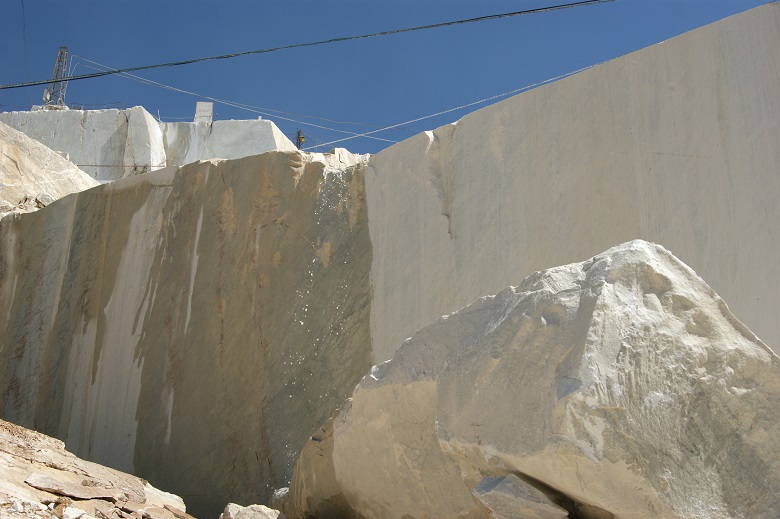
The core of the new strategy is a transition from infrastructure to “minerals-led industrialization.” Minister Iqbal highlighted a critical bottleneck for the industry: while Pakistan boasts massive reserves from Turbat to Chitral, current blasting techniques are significantly devaluing the materials.
“There is a massive opportunity for Chinese enterprises to invest in modern cutting and processing technologies,” Iqbal stated, emphasizing that the goal is to transform Pakistan into a global hub for world-class finished marble.
The Logistics of Growth
A key element for international traders is the emergence of Gwadar as a “smart port city.” The newly built international airport and the dedicated Naukundi–Mashkhel–Turbat–Gwadar corridor are designed to bridge the gap between the mineral-rich Balochistan region and the global market.
Market Potential by the Numbers:
- 92 known minerals identified in Pakistan, with marble and granite among the most promising.
- $6–8 billion target for annual mineral exports within the decade (up from the current 2-3% GDP contribution).
- 90% of current exports are raw or semi-processed—a figure the government aims to flip through technological upgrades.
Investor Security and ESG
To facilitate this “spring” in bilateral relations, Pakistan is leveraging the Special Investment Facilitation Council (SIFC) to ensure fast-track approvals and policy consistency. Furthermore, the Minister stressed that the next phase will adhere strictly to ESG (Environmental, Social, and Governance) principles, ensuring that the mining boom provides tangible benefits to local communities in Gilgit-Baltistan and Balochistan.