




Data from the cumulative cost assessment presented during the European Ceramic Days indicate that the sector is facing increasing pressure from high energy costs, CO₂ prices and regulatory burdens, with potential consequences for production levels and employment in Europe.
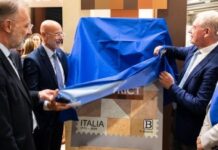
The European Ceramic Days (ECD) took place in Brussels in early December 2025, bringing together representatives of the sector and EU policymakers. This year’s event was dedicated to the theme “Ceramics: Building a Sustainable and Greener World” and coincided with the 31st plenary meeting of the European Policy Ceramic Forum (EPCF), focusing on the need to ensure a stable business environment within the current regulatory and geopolitical context.


During the event, Cerame-Unie presented its Cumulative Costs Assessment, highlighting the pressures currently affecting the sector. According to the analysis, high energy and CO₂ prices, combined with increasing environmental and administrative requirements, are having a significant impact on production and on the competitiveness of European companies.
The presentation showed that, compared to 2021, the sector has experienced a decrease of around 30% in production and a 50% reduction in its trade balance, while employment levels have declined by approximately 10%. It was noted that, without further adjustments to the regulatory and energy framework, these trends could continue, affecting industrial activity across Europe.
At the same time, the role of the sector in supporting sustainable development was highlighted, as it produces high-quality goods in Europe, contributes to local added value and supports more than 200,000 direct jobs. However, participants also pointed out that regulatory complexity and high energy costs are affecting the sector’s capacity to invest in innovation and decarbonisation.
Among the conclusions of the event were proposals for further simplification of the EU ETS framework, with particular attention to small emitters, an extension of compensation for indirect costs and a suspension of the reduction of free CO₂ allowances from 2026. The need to stabilise electricity prices, improve access to European funding for research and development projects and reduce the overall administrative burden on SMEs was also underlined.
Cerame-Unie President and CEO of Wienerberger AG, Heimo Scheuch, noted that the current industrial and energy context requires timely adjustments in order to maintain competitiveness and enable continued investment in sustainable production.