


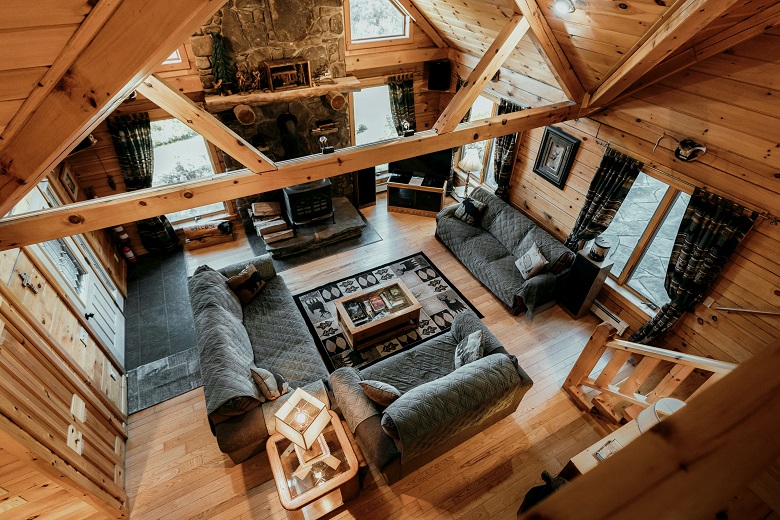



As of October 14, 2025, the United States has imposed new tariffs on imports of softwood lumber, upholstered wooden furniture, and kitchen and bathroom cabinets, under Section 232 of the Trade Expansion Act of 1962. The tariffs were introduced by President Donald Trump, citing national security concerns and the need to strengthen domestic manufacturing within the U.S. wood products sector.
The new tariffs
-
Softwood lumber: 10%


-
Upholstered wooden furniture: 25%
-
Kitchen and bathroom cabinets: 25%
These tariffs, effective from October 14, 2025, are set to increase on January 1, 2026, unless new trade agreements are reached with exporting countries:
-
Upholstered wooden furniture: 30%
-
Kitchen and bathroom cabinets: 50%
Exemptions and tariff caps
Imports from the European Union and Japan will face tariffs capped at 15%, while those from the United Kingdom will not exceed 10%.
However, countries such as Canada, Mexico, China, and Vietnam are expected to face the full tariff rates, as they are not covered by any new exemption agreements.
Canada hit hardest
Canada, the largest supplier of softwood lumber to the U.S., is the most affected. The new 10% tariff introduced on October 14 adds to existing anti-dumping and countervailing duties, bringing the total rate on Canadian wood to approximately 45%.
The BC Timber Trade Council called the move “misguided and unnecessary,” warning of potential job losses and further strain on the U.S. housing supply crisis.
Industry reactions and housing impact
Buddy Hughes, Chairman of the National Association of Home Builders (NAHB), warned that the tariffs will further raise housing costs at a time when high mortgage rates and material prices are already squeezing affordability.
“Housing is central to both the economic and physical security of Americans,” Hughes said, challenging the rationale behind the tariffs.
Global supply chain under pressure
Roughly 30% of U.S. lumber is imported. According to Stephen Brown of Capital Economics, the new 10% duty could increase the cost of building an average home by $2,200.
Major furniture suppliers — China, Vietnam, and Mexico — which together account for about 70% of U.S. furniture imports, are expected to face significant financial repercussions. Vietnam, in particular, could suffer heavily, as furniture represents around 10% of its total exports to the U.S.
Economic outlook and inflation risk
The higher costs of raw materials and finished goods are likely to raise housing prices, reduce consumer purchasing power, and add pressure on the construction industry.
While the tariffs aim to boost domestic production, analysts warn that in the long term, they may fuel inflation and slow economic growth.