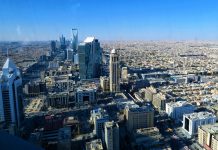


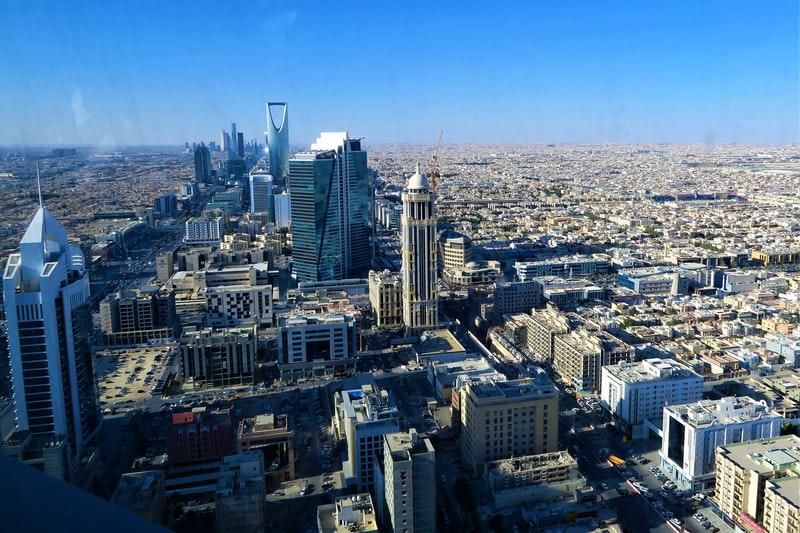



Saudi Arabia continues to dominate the Middle East construction sector, investing in mega-scale developments under its ambitious Vision 2030 strategy. This national transformation plan aims to diversify the economy away from oil, boost tourism, and create smart, sustainable cities that will set global benchmarks in urban innovation.
NEOM – The Future of Urban Living
Valued at over $500 billion and spanning 26,500 km², NEOM is one of the most ambitious urban development projects in history.
Its groundbreaking sub-projects include:


-
The Line – A car-free, zero-emission linear city redefining urban mobility.
-
Oxagon – The world’s largest floating industrial complex.
-
Trojena – A mountain destination for year-round outdoor and winter sports.
-
Sindalah – A luxury yachting hub on the Red Sea.
NEOM represents a bold vision of sustainable, high-tech living designed to revolutionize the way cities are built and experienced.
The Red Sea Project – Sustainable Luxury Tourism
Stretching along an untouched 28,000 km² coastline, The Red Sea Project aims to become a global leader in sustainable luxury tourism.
The first phase, scheduled for completion in 2025, will feature:
-
Eco-friendly resorts and hotels
-
Floating villas with minimal environmental impact
-
Advanced renewable energy infrastructure
By 2030, the project targets 1 million annual visitors, balancing high-end travel experiences with the preservation of pristine ecosystems.
Qiddiya – The New Global Capital of Entertainment
Located near Riyadh, Qiddiya Entertainment City is designed to be a cultural and entertainment powerhouse on a global scale. Its attractions will include:
-
World-class theme parks
-
Motorsport racing circuits
-
Massive sports and performance complexes
Several key attractions are expected to open in late 2025, boosting both domestic tourism and Saudi Arabia’s appeal to international visitors.
Other Landmark Developments
-
King Salman Park – A 16 km² urban green oasis with gardens, museums, and cultural venues.
-
Diriyah Gate – Transforming the historic Diriyah area into a world-class cultural heritage destination.
-
Jeddah Tower – Resuming construction to become the first skyscraper to exceed one kilometer in height.
-
King Salman International Airport – Expanding to handle 185 million passengers annually.
-
Saudi Landbridge Railway – A strategic freight line linking Jeddah to Riyadh, strengthening regional logistics.
Conclusion
The scale and ambition of Saudi Arabia’s Vision 2030 projects are reshaping the country’s physical and economic landscape. From futuristic cities and eco-tourism havens to record-breaking engineering feats, these developments position the Kingdom at the forefront of global construction and urban innovation. Vision 2030 is not just an economic diversification plan—it is a complete reimagining of how people will live, work, and travel in the decades ahead.