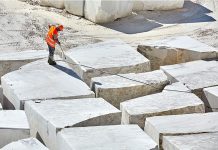


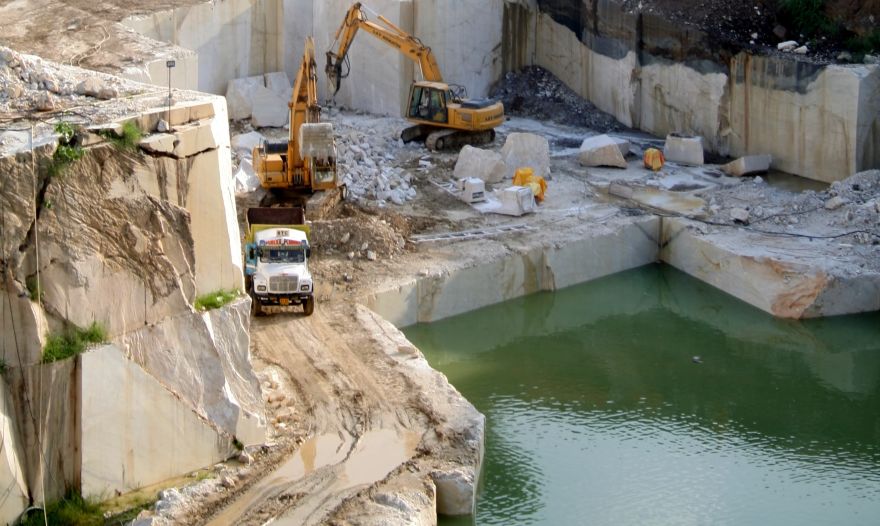



The Kishangarh marble market in Rajasthan, India—renowned as the largest of its kind in all of Asia—is facing a severe period of instability. Ongoing geopolitical tensions and conflicts in the Middle East have caused a “suffocation” of imports, threatening the viability of hundreds of businesses.
The Blow to Imports and Rising Costs The crisis, fueled by uncertainty in the Middle East, has directly impacted supply chains. According to market representatives, shipments of imported marble remain stranded in ports such as Dubai, resulting in a disruption of the flow of goods and capital.


Traders are facing tripled freight costs, as shipping companies demand additional fuel surcharges and insurance premiums due to the hazards of the routes. Notably, shipments that once took 25 days to reach India now require up to three months, following much longer routes to avoid conflict zones.
Economic Deadlock for Traders The situation has placed approximately 180 major regional importers in a difficult position. These businesses had recently invested in cutting-edge technological equipment for processing international stone.
Key challenges include:
-
Capital Tie-up: Despite having made significant down payments (up to 25% of value), their goods remain stationary with no clear delivery schedule.
-
Rising Raw Material Costs: In addition to marble, the cost of chemicals used for finishing and polishing slabs has skyrocketed.
-
Reduced Profitability: The total cost of goods has increased by at least 10%, absorbing profit margins and making new purchases prohibitive.
Conclusion The uncertainty prevailing in the Middle East has turned logistics into a major headache for Indian entrepreneurs. If the conflicts continue, the lack of commodities and the financial drain from high freight rates may lead to closures and a significant reduction in production in one of India’s most outward-looking sectors.