




The recent escalation of tensions in the Persian Gulf has created one of the most complex environments for the global market in recent decades. Geopolitical strains are affecting international trade flows, increasing production costs, and testing the resilience of supply chains worldwide.
Transportation Disruptions
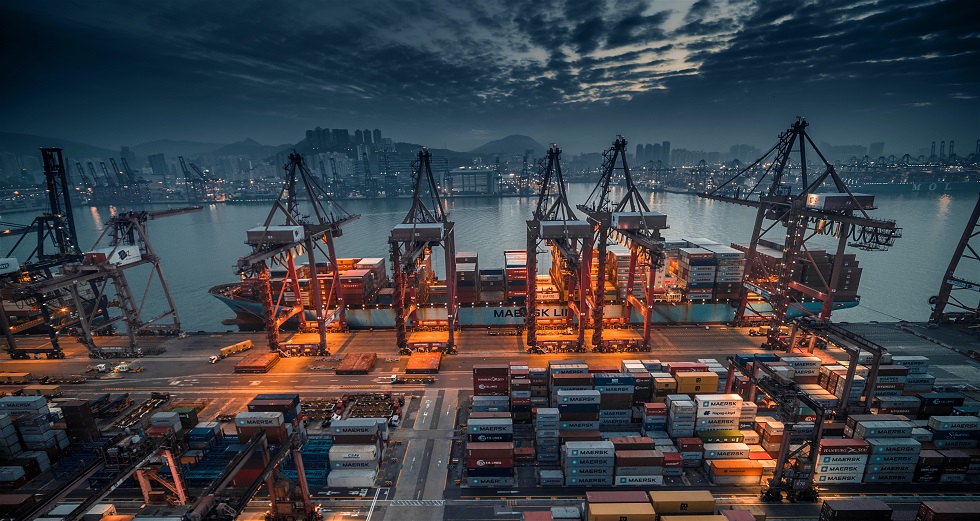
Difficulties or closures of strategic passages, such as the Strait of Hormuz, have forced significant vessel rerouting. Traffic in the area has been at an almost complete standstill for more than a week, with only a few ships reported to have passed in the last 24 hours.


-
Increased transit times: Ships taking longer routes around Africa are adding days to delivery schedules.
-
Containers & insurance: The shortage of available containers and the surge in war risk insurance premiums are driving up overall logistics costs.
-
VLCC freight rates: Prices for supertankers have reached historic highs, with indices such as the Baltic Exchange TD3C MEG–China reporting ~$423,736/day in early March 2026 — an increase of approximately +94% in three days.
These figures highlight the intensity of the crisis and the immediate pressure on oil and commodity transportation costs.
Energy Costs and Industrial Production
Brent crude prices exceeded $92–93 per barrel in early March 2026, marking one of the largest weekly increases (+28%) in recent years. At the same time, production in Iraq has fallen by approximately 70%, from 4.3 to 1.3 million barrels per day, due to a blockade of key exports.
-
Energy-intensive industries: Factories are facing higher operating costs, directly affecting profit margins.
-
Raw materials: Disruptions in the production and transport of petroleum derivatives and fertilizers are creating potential shortages of essential inputs.
-
LNG: Production suspensions by QatarEnergy have caused strong upward pressure on natural gas prices in Europe, further increasing energy costs.
These figures underline that energy markets have already experienced serious disruption, with broad impacts on industrial production and transportation.
Inflationary Pressures and Currency Volatility
Geopolitical uncertainty is causing sharp fluctuations in exchange rates and increasing unpredictability in international payments. At the same time, rising energy costs are fueling inflationary expectations, potentially affecting demand in major markets such as Europe and the United States.
Impacts on the Just-in-Time Model
The current crisis is heavily straining the “Just-in-Time” model:
-
Delays in critical material arrivals are putting production lines under pressure.
-
Companies are increasing safety stock and seeking alternative suppliers, a strategy that is reshaping global market structures.
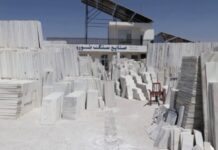
Impacts on the Natural Stone Sector
Recent transport disruptions and surging energy prices are likely to have a direct practical impact on the natural stone sector:
-
Transportation costs: Marble and heavy materials face higher costs due to rerouted vessels and soaring freight rates.
-
Energy: Brent prices above $92/barrel affect machinery fuel and electricity for processing.
-
Delivery disruptions: Delays in container arrivals impact large orders and planned projects, challenging the “just-in-time” model.
The numerical data — historic VLCC freight rates, rising oil prices, and reduced production in Iraq — clearly illustrate that international developments translate into measurable consequences for the sector, linking the global crisis to the real economy of natural stone.
Conclusion
The Gulf crisis demonstrates the vulnerability of markets to geopolitical tensions. Increases in energy costs, soaring freight rates, and interruptions in key transport routes already have measurable effects on international trade flows and the industries dependent on them. The coming weeks will determine the extent of the impact, but the trend toward higher costs, delays, and uncertainty remains clear.